An ultrasonic diffuser uses high-frequency vibrations to break down water and essential oils into a fine, aromatic mist. While they are low-maintenance by design, residual essential oil buildup and water minerals can clog the tiny vibrating disc inside. This leads to weak misting, low aroma spread, or even unpleasant odors.
A quick post-diffusing routine paired with a regular deep clean and a few simple guidelines will keep your ultrasonic diffuser functioning in top form.

FREE: Essential Oils Sourcing Checklist
- Reduce essential oil supplier confusion
- Tips on what to look for in a quality supplier
- Become confident in your choices!
[This post contains affiliate links. If you make a purchase through one of these links I may earn a commission. This does not impact your price. For more information, please see our disclosure.]
Cleaning An Ultrasonic Diffuser
Post-Diffusing Diffuser Care
This simple 30 second routine after a diffusing session helps prevent biofilm from forming in standing water and essential oil residue from hardening onto the plastic (or glass) reservoir.
- Unplug and drain. Never let any water remain in the reservoir. Immediately after use, unplug the power cord and pour out any remaining water.
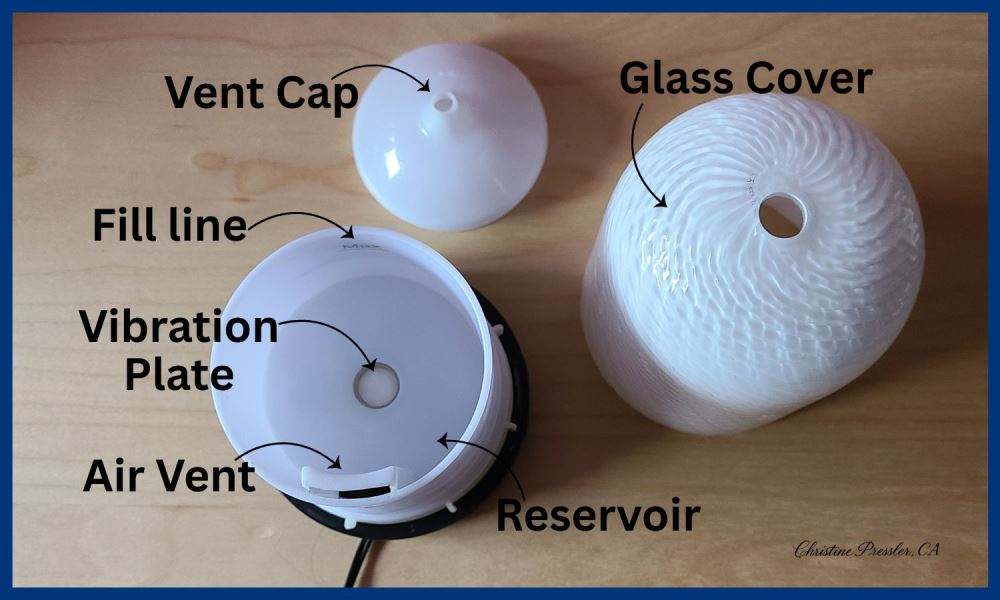
- Mind the air outlet. Look for the small air vent inside the water reservoir. Always tilt and pour water out from the opposite side of this outlet to keep water from seeping into the internal circuitry.
- Wipe it down. Use a clean, dry microfiber cloth or soft towel to wipe the inside of the reservoir. Leave the cap off for a few minutes so the interior air-dries completely.
How to Deep Clean Your Ultrasonic Diffuser
Even with diligent daily care, essential oil films and mineral scale will gradually collect around the ultrasonic vibration plate. Perform this deep clean every 1 to 2 weeks, or if your blend contains highly aromatic essential oils (like Patchouli) or “sticky” viscous essential oils (like Vetiver).
Here are 9 simple steps to deep clean your ultrasonic diffuser.
- Safety first! Unplug your diffuser from the wall and disconnect the power cord from the base. Empty any leftover water, pouring away from the air vent side.
- Fill the reservoir halfway to the maximum fill line with clean, room-temperature water. Add 1/8-1/2 teaspoon of pure white distilled vinegar (amount depends on the size of the reservoir). The mild acid of the vinegar breaks down oily residue and mineral scale without damaging the plastic.
- Plug the diffuser back in and turn it on in a well-ventilated space. Let it run for 5 to 10 minutes so the vinegar solution can clear out the vent and ultrasonic diffuser components.
- Unplug the unit again and pour out the vinegar mixture. Rinse with fresh water and discard.
- Dip a cotton swab in 70% isopropyl alcohol and very gently wipe around the small ceramic ultrasonic plate at the bottom of the basin. Avoid scrubbing hard. Scratching this plate will permanently impair mist output.
- Sometimes an additional step is needed to fully clean your ultrasonic diffuser. Diffusing Vetiver, Myrrh, Opopanax, and other resinous essential oils can create a sticky residue on the inside of the reservoir and vent cap. Dip a clean cotton swap in 70% isopropyl alcohol. Swirl the cotton tip across the oil residue. Repeat with a fresh cotton swab until all residue is removed.
- Give the reservoir a final rinse with fresh water.
- Wipe down the vent cap (and cover) with a damp cloth.
- Wipe the entire diffuser with a clean dry cloth and let all parts air dry completely before your next diffusing session.
Quick Reference Ultrasonic Diffuser Care Rules
| What to Do | What to Avoid |
|---|---|
| Use filtered or distilled water to reduce mineral buildup. Check your diffuser’s instructions for which you should use. | Protect the air vent. Empty reservoir on the side opposite the vent. Never over fill the the diffuser reservoir. |
| Only use 100% pure essential oils to avoid damaging the vibration plate. | Never put carrier oils (like Jojoba, Coconut, or Almond oil) in an ultrasonic diffuser. |
| Empty and wipe out diffuser reservoir after each use and leave vent cap off to air dry fully. | Never leave water in the diffuser. Sitting water can create a biofilm in the reservoir. |
| Clean gently with cotton swabs or soft microfiber cloths. | Avoid steel wool or harsh detergents, which can damage the vibration plate and reservoir surface. |

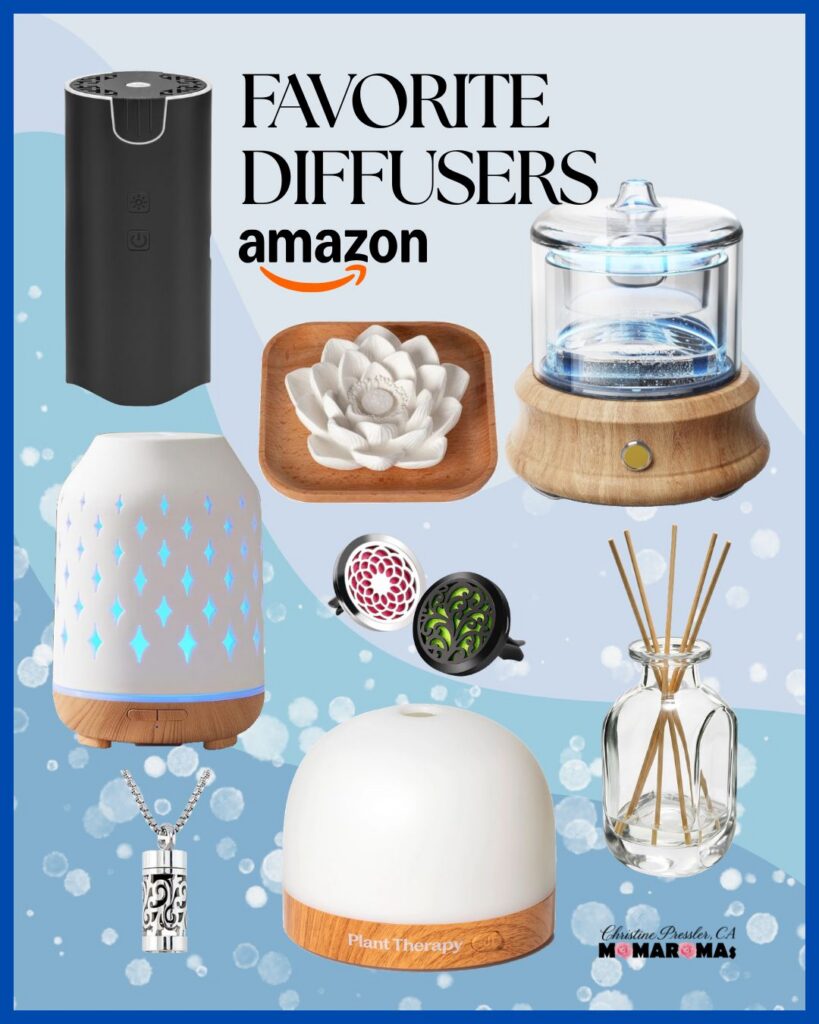
⭐Looking for a new essential oil diffuser? Passive, portable, evaporative, nebulizing waterless, or ultrasonic diffuser, discover the best diffuser for your space in my diffuser rundown blog.
Clean Immediately After Diffusing These Essential Oils
Certain essential oils leave behind a residue, pigment, and/or dominant aroma that clings to the reservoir and ultrasonic plate. A thorough clean of your diffuser after using these specific oils will prevent gummed up vent caps, discolored plastic, and “aroma ghosts” in your next blend.
Here are the primary oil categories that warrant an immediate deep clean:
Viscous & Resin-Based Essential Oils
These essential oils are extracted from plant resins or rich woods. Because they’re naturally thick, sticky, and slow to evaporate, they can leave a gummy film on the ultrasonic plate and vent cap that drastically reduces mist output.
- Vetiver (Chyrsopogon zizanoides) and Vanilla planifolia: Extremely thick and honey-like, these stick to plastic walls almost instantly.
- Myrrh (Commiphora myrrha): This heavy resin can settle to the bottom of the reservoir.
- Frankincense (Boswellia spp.) and Copaiba Balsam (Copaifera officinalis): These resins leave a subtle, sticky residue that hardens over time.
- Sandalwood (Santalum spp.) and Cedarwood (Cedrus & Juniperus species): These somewhat viscous wood essential oils can cling to the vibration plate.
Highly Pigmented Essential Oils
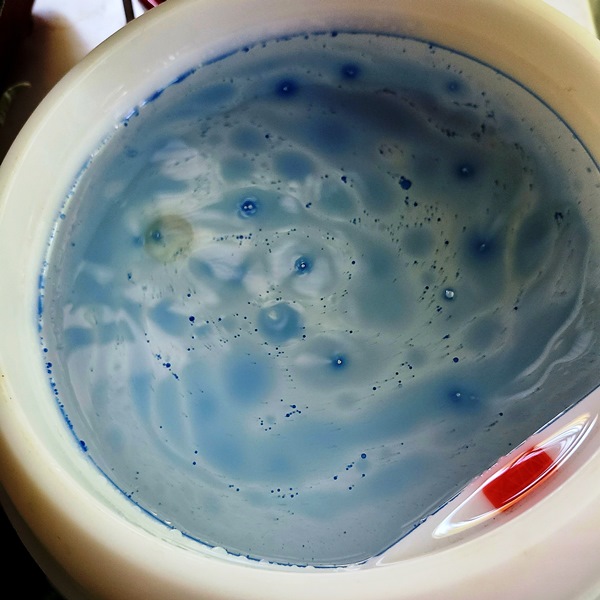
Some essential oils have intense natural colors (dark oranges, blues, or deep yellows). If left standing, these essential oils can permanently stain white or light-colored plastic reservoirs.
- German Chamomile (Matricaria chamomilla), Blue Tansy (Tanacetum annuum), and other essential oils containing chamazulene (pronounced kah-mah-zoo-leen): These essential oils are a rich blue or indigo in color.
- Pictured here is home crafted German Chamomile hydrosol with a layer of essential oil on the surface. I decided I’d diffuse it just for fun and it was gorgeous!
- Sweet Orange (Citrus x sinensis), Mandarin (Citrus reticulata), and other citrus essential oils: These essential oils are bright yellow or orange.
- Jasmine (Jasminum spp.) and Rose (Rosa spp.): The absolutes of these flowers are amber or reddish in color.
Spicy Essential Oils
Some spicy essential oils contain high concentrations of highly aromatic chemical constituents like eugenol, thymol, or cinnamaldehyde. If allowed to sit in the reservoir, these potent chemicals can slowly degrade plastics and seal rings.
- Cinnamon Bark and Cinnamon Leaf (Cinnamomum zeylanicum)
- Clove Bud (Syzygium aromaticum)
- Oregano (Origanum vulgare)
- Thyme (Thymus vulgaris ct thymol)

⭐️Like the warm spiced essential oils? Download the FREE Sweater Weather Blends ebook! It features diffuser blends, room sprays, and hand soaps, all perfect for Fall and Winter.
Essential Oil Ghosts in the Machine
These essential oils don’t damage an ultrasonic diffuser, but their aromatic molecules are so potent and long-lasting that they can impact the aroma of the blend(s) you diffuse next.
- Peppermint (Mentha x piperita) and Corn Mint (Mentha arvensis) due to their high menthol content
- Lemongrass (Cymbopogon flexuosus), Lemon Myrtle (Backhousia citriodora), May Chang (Listea cubeba), and other essential oils containing significant citral (geranial + neral)
- Patchouli (Pogostemon cablin), Ylang Ylang (Cananga odorata), Ginger (Zingiber officinalis), and other essential oils rich in sesquiterpenols
Quick Rule of Thumb
If an essential oil drops slowly from the reducer, leaves a colored spot on scent strip, or its aroma lingers in the room for hours after diffusion, run a quick vinegar deep clean right after your diffusing session.

This information has not been evaluated by the Food and Drug Administration and is not intended to diagnose, treat, cure, or prevent any disease. It is for educational purposes only.
All recipes provided are for personal use and are not designed for re-sale or large-scale manufacturing.
Please consult your doctor, naturopath, herbal practitioner, or other qualified health professional for medical advice and before starting any herbal regimen, particularly if you are pregnant or nursing, have any existing medical conditions, or are taking any medications.

Christine Pressler | Author, Certified Aromatherapist, Natural Skin Care Formulator
Christine is an avid reader, writer, lifetime learner, and proponent of self-care for better mental health and energy. She enjoys formulating bespoke aromatherapy, skin care, and herbal products to support her family, pets, friends, and clients. She also loves experimenting with recipes in the kitchen.💚 (Learn more >>)