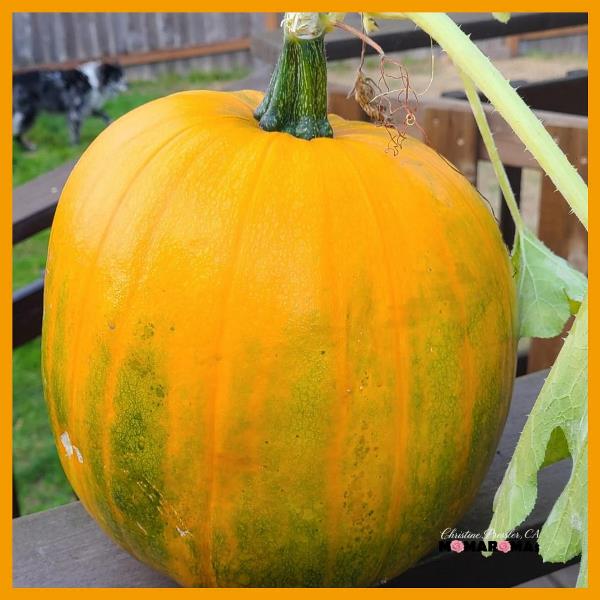
Autumn in the garden is deeply satisfying. As the air turns crisp and the leaves shift into fiery shades of orange, red, and amber, Nature offers up her final, generous bounty. This year, my harvest season came with an extra special surprise! A pumpkin! And I can’t wait to make roasted pumpkin seeds. (Recipe below!)
From squashes to broccoli, beets to mushrooms, and a bounty of berries, Autumn provides us with gorgeous colors and foods that are nourishing to the body and the soul!
In the Pumpkin Post
From Mystery Gourd to Autumn Pumpkin
Early this past Summer, I came home with a tiny free starter plant simply labeled “gourd.”
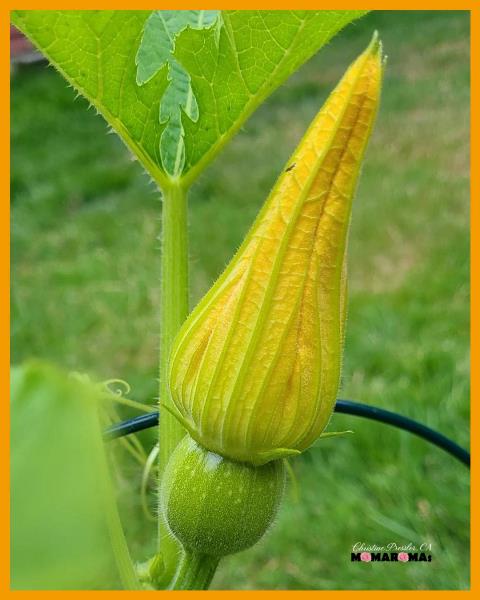
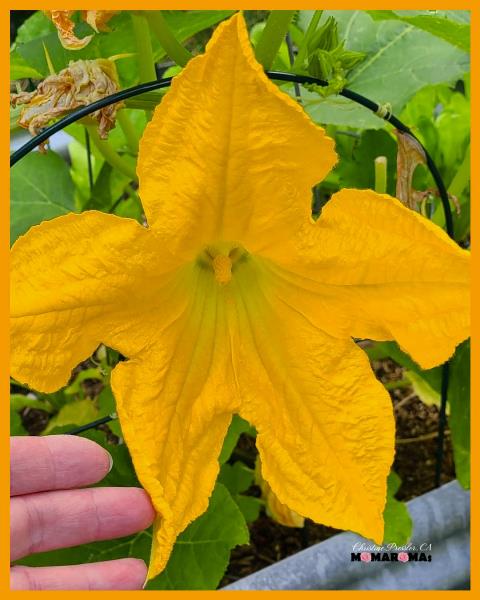
I planted it in a sunny spot, deep watered it occasionally, and mostly let it do its thing. Before long, it took over its section of the garden bed (and then some!) with sprawling green vines and huge, brilliant yellow squash blossoms.
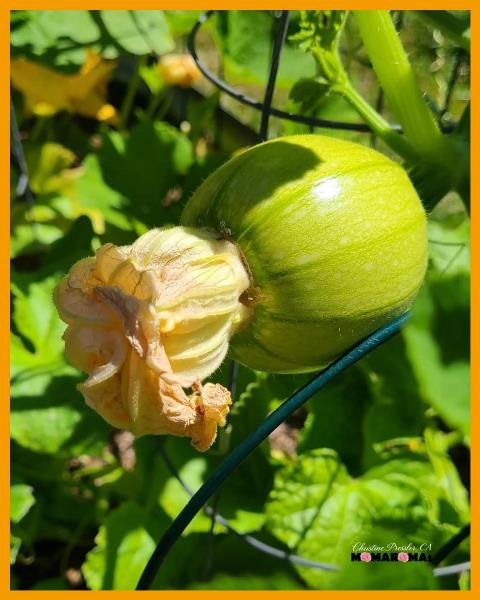
Then came the magic moment: A tiny, hard green orb appeared beneath a fading flower. I watched it swell day after day. And that’s when the realization hit me: This isn’t just any ol’ gourd. This is a pumpkin! And not just any pumpkin. My very first pumpkin!
I was giddy with excitement, watching it get bigger and bigger each day.
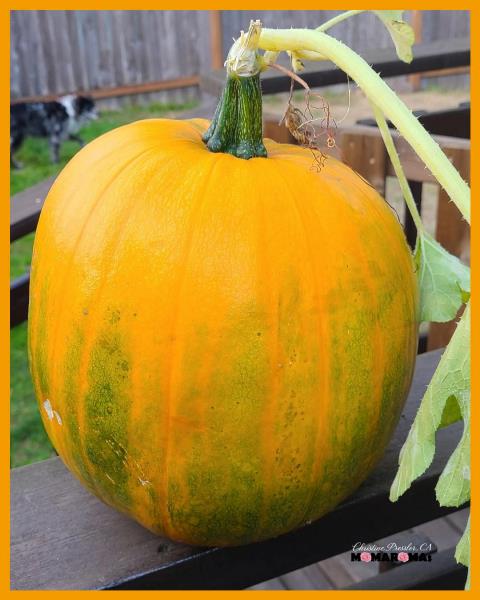
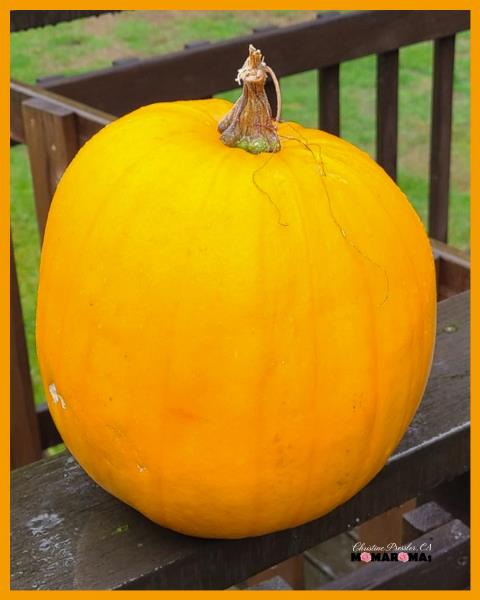
Harvesting it (before the rains came) felt like a milestone. There’s nothing quite like holding a homegrown perfect pumpkin! And she’s a beaut!
My Pumpkin from Blossom to Ready to Carve
What to Harvest in the Garden This Fall
Late September and through October, sometimes even November, are peak months for gathering hearty produce:
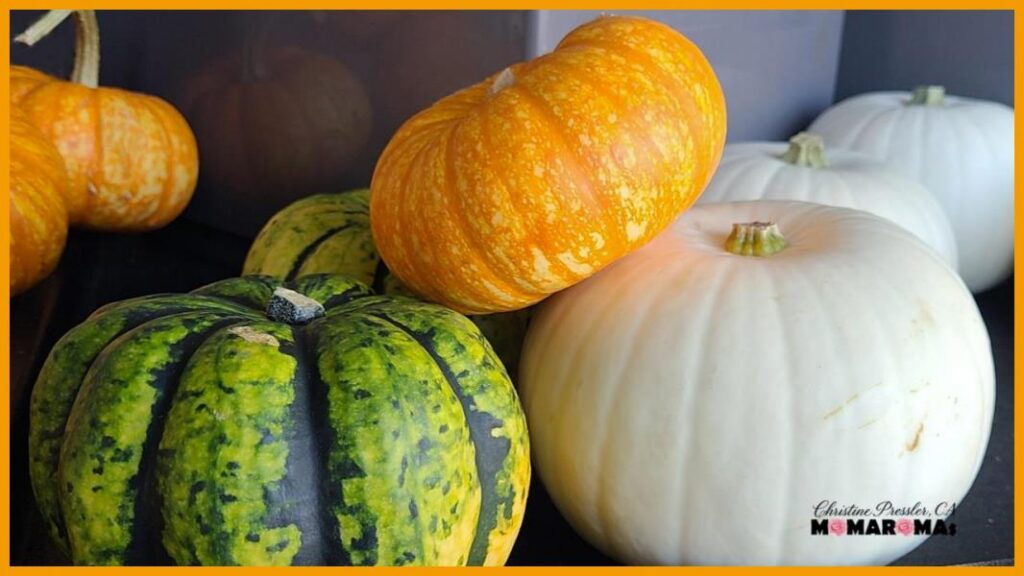
- Winter Squash & Pumpkins: Butternut, acorn, spaghetti squash, and, of course, your pumpkins, just in time for Halloween!
- Root Vegetables: Carrots, beets, turnips, and parsnips. A touch of frost actually improves their flavor by converting plant starches into natural sugars, so you can wait a bit longer for these.
- Brassicas & Greens: Kale, Brussels sprouts, cabbage, and Swiss chard thrive in cool weather and can handle a bit of light frost.
- Late Herbs: Rosemary, thyme, sage, and oregano harvests are perfect for drying or freezing into compound butter for Winter meals.
Wild-Harvesting: Foraging Nature’s Autumn Pantry
Beyond the garden, Autumn woods and hedgerows are bursting with wild edibles.
NOTE: If you plan to forage, always be 100% positive with identification before consuming and never forage from a place with potential contamination from vehicles or pesticide over-spray.
- Wild Berries: Elderberries, rose hips, and late-season blackberries are packed with vitamin C and make incredible jams, syrups, and teas.
- Nuts: Black walnuts, chestnuts, and acorns (when properly leached of tannins) offer rich, earthy Autumn flavors.
- Autumn Mushrooms: Foragers with trained eyes look for wild gems like Chanterelles, Hen of the Woods (Maitake), and Oyster mushrooms after seasonal rains.
- Wild Greens & Roots: Dandelion roots (great for roasting for a nourishing tea alternative) and chickweed remain abundant well into late Fall. Late Autumn is the ideal time to carefully harvest Solomon Seal roots.
Harvest season reminds us that patience pays off in the sweetest ways. Sometimes the pay off is in the form of a planned crop. Sometimes it’s a delightful gift from a mystery plant!
⭐️My Pumpkin Plans: Crunchy Roasted Pumpkin Seeds
I’m hoping, when I cut this pumpkin open that it will be filled with seeds. Some I’ll save to sprout next Summer, the rest I’ll roast. Roasting pumpkin seeds is super easy and makes a perfect wholesome Autumn snack!
Ingredients:
- Seeds scooped from your fresh pumpkin
- 1 tbsp olive oil or melted butter
- ½ tsp salt (sea salt or garlic salt works great)
- Optional seasonings: Smoked paprika, garlic powder, cayenne pepper, or for a sweet snack, cinnamon & sugar
Instructions:
- Preheat your oven to 325°F (165°C).
- Line a baking sheet with parchment paper.
- Clean the seeds. Scoop the seeds out of your pumpkin. Separate them from the pulp and rinse thoroughly in a colander under cold water.
- Optional: Boil for extra crunch. Simmer the seeds in a small pot of well-salted water for about 10 minutes, then drain into a colander, shaking the colander to remove as much water as possible. This helps cook the insides and yields a crunchier outer shell after roasting.
- Dry thoroughly! This is a crucial step for crispiness! After washing (& boiling), pat them completely dry with a towel. The drier they are, the crispier they’ll get!
- Season and spread. In a bowl, toss the dried seeds with olive oil, salt, and your favorite spices. Spread them in a single, even layer on the parchment-lined baking sheet.
- Roast to golden perfection. Bake for 20-40 minutes (depending on how many seeds you have on the sheet), stirring once or twice, until the seeds are fragrant and lightly golden brown.
- Let them cool a bit before enjoying. (I like them slightly warm and toasty!)
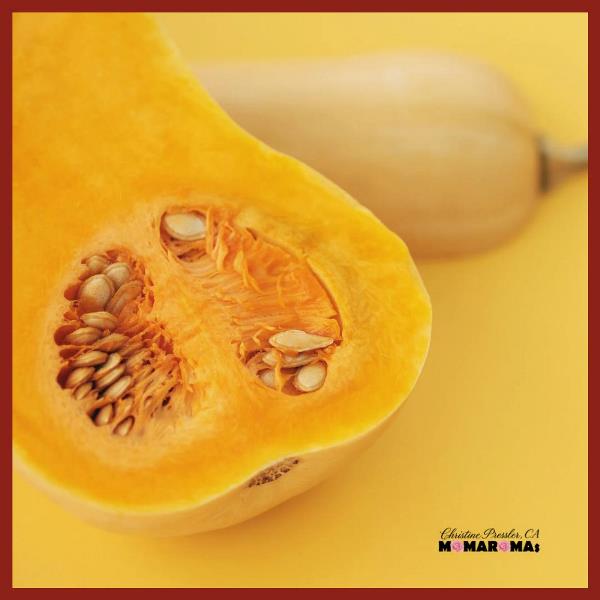
⭐️I recently learned from a friend that she roasts butternut squash seeds just like pumpkin seeds! Why that never dawned on me, I don’t know, but I’m very excited to try this the next time we get a butternut squash. If you’ve roasted other squash seeds successfully, please let us know in the comments!
Roasted Pumpkin Seed Storage
Never store pumpkin seeds while they are warm! Trapped steam creates condensation inside the container, making the seeds soggy and inviting mold. Let them cool completely on the baking sheet for at least 30 to 45 minutes before storing.
| Storage Method | Best Container | Shelf Life | Best For |
|---|---|---|---|
| Room temperature | Airtight glass jar or tin | 1-2 weeks | Daily snacking (keep in a cool, dark pantry) |
| Refrigeration | Airtight glass jar | Up to 2 months | Longer storage or warm, damp climates |
| Freezer | Freezer-safe zipper bag (with the air pressed out) or a tightly sealing container | Up to 6 months | Large batches for long term storage |
Revive Pumpkin Seed Crunch
If you’re pulling pumpkin seeds from frozen storage or your seeds start to lose their crispiness, simply toss them back on a baking sheet and roast them at 300°F (150°C) for 3-6 minutes to crisp them back up!
Happy harvesting…and snacking!

This information has not been evaluated by the Food and Drug Administration and is not intended to diagnose, treat, cure, or prevent any disease. It is for educational purposes only.
All recipes provided are for personal use and are not designed for re-sale or large-scale manufacturing.
Please consult your doctor, naturopath, herbal practitioner, or other qualified health professional for medical advice and before starting any herbal regimen, particularly if you are pregnant or nursing, have any existing medical conditions, or are taking any medications.
Christine Pressler | Author, Certified Aromatherapist, Natural Skin Care Formulator
Christine is an avid reader, writer, lifetime learner, and proponent of self-care for better mental health and energy. She enjoys formulating bespoke aromatherapy, skin care, and herbal products to support her family, pets, friends, and clients. She also loves experimenting with recipes in the kitchen.💚 (Learn more >>)